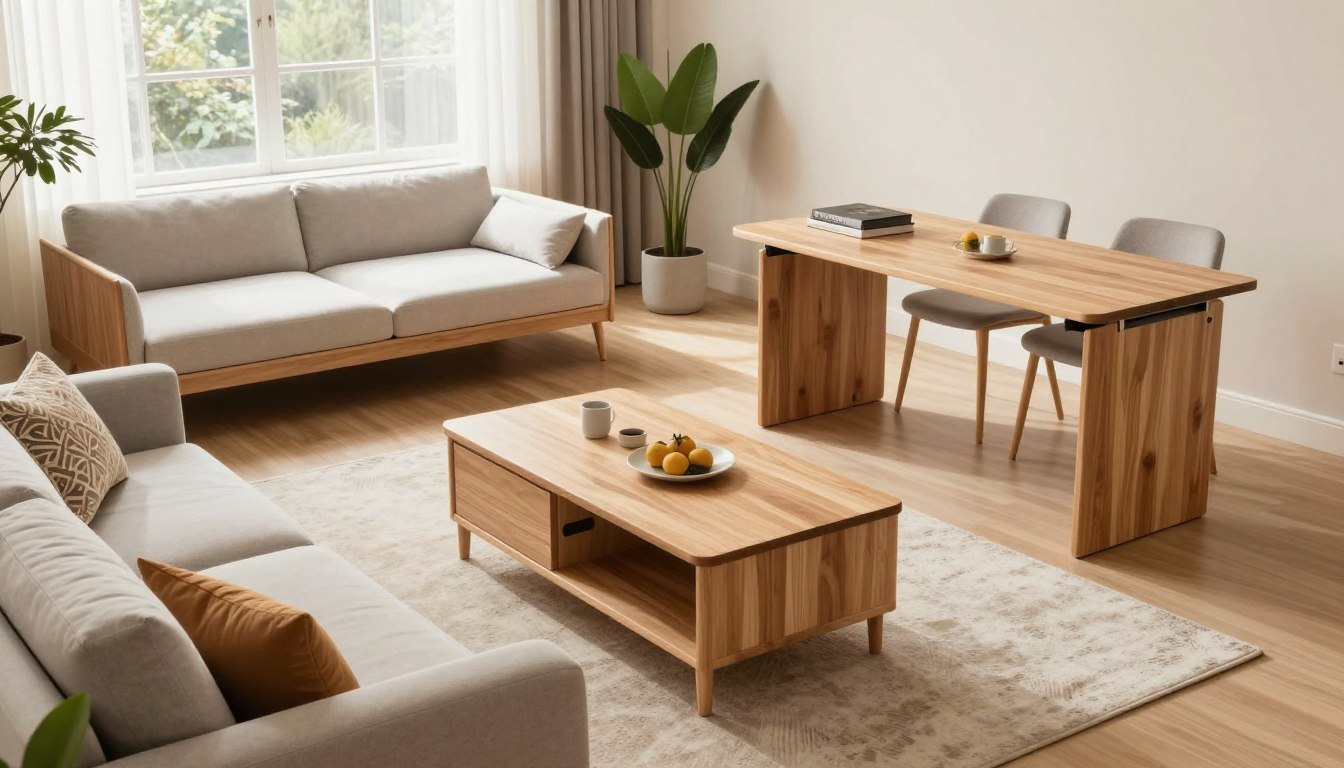
If you are reading this, you are probably staring at a living room that feels more like a cramped shoebox than a relaxing sanctuary. When you rent a small apartment, you can’t exactly knock down a wall to create an open-concept floor plan. You have to work with the square footage you signed a lease for.
But here is the good news: interior design is largely about optical illusions. You don’t need a sledgehammer or a lost security deposit to double your perceived space. By utilizing smart renter-friendly decor hacks—like tension-rod curtains, plug-in lighting, and strategic furniture placement—you can completely trick the eye.
In this guide, we are skipping the generic advice and diving into real, practical ways to expand your footprint visually. We will also cover crucial safety tips to ensure your new layout is safe for toddlers and pets. Let’s turn your tight lounge into an airy, inviting home.
1. Manipulate Room Depth With Color (The Renter’s Way)
Dark, heavy colors absorb light and make walls feel like they are closing in on you. Light, neutral tones do the exact opposite—they reflect both natural and artificial light, making the walls visually recede.
What If Your Landlord Won’t Let You Paint?
If you are stuck with dingy, yellowing apartment paint that you aren’t allowed to touch, use high-quality peel-and-stick wallpaper. Applying a bright, crisp white or subtle linen-textured removable wallpaper to your main living room wall immediately brightens the space. When your lease is up, simply warm it with a hairdryer and peel it off.
The “Ceiling Lift” Trick
If you can paint, paint your ceiling one shade lighter than your walls. This draws the eye upward, faking a higher ceiling and making a cramped 8-foot room feel significantly taller.
2. Maximize Light Without Hardwiring

A single, harsh overhead “boob light” in the center of an apartment living room casts dark shadows in the corners, effectively shrinking the room. You need to layer your lighting to push light into the edges of the space.
Plug-In Wall Sconces
Wall sconces free up valuable floor and table space, but hardwiring them is a lease violation. The solution? Buy plug-in wall sconces. You can mount them using renter-friendly adhesive strips or a tiny drywall anchor, run the cord down the wall, and plug them into a standard outlet. They wash light up the walls, instantly expanding the room.
Cord Safety for Active Households
If you use plug-in sconces or floor lamps, dangling cords are a tripping hazard for toddlers and a chew toy for puppies. Always use adhesive cord-concealer channels to pin the wires flat against the wall and baseboards.
3. Use Mirrors Strategically (and Safely)

Mirrors are the oldest trick in the interior design book. Placing a large mirror directly opposite your living room window bounces natural light back into the room and acts as a “faux window,” creating the illusion of depth.
Securing Floor Mirrors
Leaning a massive, heavy oversized mirror against the wall looks incredibly chic and requires zero drilling. However, this is highly dangerous if you have children or large dogs. If you lean a mirror, you must use heavy-duty, renter-friendly furniture safety straps (which stick to the wall using stretch-release adhesive) to secure the top of the mirror to the wall so it cannot tip forward.
4. Select “Leggy” and Multi-Functional Furniture
Heavy, boxy sofas that sit directly on the floor stop the eye dead in its tracks. To make a small room feel airy, you want light to pass underneath your furniture.
- Exposed Legs: Choose a sofa and accent chairs with tall, tapered wooden or metal legs. Seeing the flooring extend under the furniture tricks the brain into thinking the floor plan is larger.
- Soft-Edge Storage: Swap your clunky wooden coffee table for a plush, round storage ottoman. It serves as a coffee table (just add a tray), hides blankets and toys out of sight, and provides safe, rounded edges for toddlers learning to walk.
5. Master the “Floating” Layout

The biggest mistake renters make in small apartments is pushing every piece of furniture flat against the walls to “create space in the middle.” This actually creates a bowling alley effect and makes the room look sterile.
Instead, pull your sofa just three or four inches away from the wall. This tiny gap creates breathing room and shadows, adding depth. Create a dedicated “conversation zone” in the center of the room, ensuring you leave a clear 30-inch walking path around the perimeter so nobody is tripping over end tables.
6. Embrace Strategic Minimalism

Clutter is the ultimate enemy of a small living room. Having dozens of small knick-knacks scattered across every surface creates visual chaos.
Adopt the “Cantaloupe Rule” for small spaces: try not to display any decorative item smaller than a cantaloupe. Swap out a collection of tiny, messy picture frames for one large, statement piece of art. Large-scale decor actually makes a room feel grander, whereas tiny decor makes it feel cluttered.
7. Hack Your Rug Size to Expand the Floor
Many renters buy a tiny 5×7 rug because their living room is small. This is a massive mistake. A small rug floating in the middle of the room chops up the floor plan visually, making the room look disjointed and tiny.
The Fix: Buy the largest rug you can afford (typically 8×10 or 9×12). The front legs of your sofa and accent chairs should all rest on the rug. If you have ugly rental carpet, a massive, light-colored area rug is the best way to hide it and unify the room.
8. Utilize Vertical Space With Tension Rods
Standard apartment window blinds are incredibly unappealing and make ceilings look low. You want to hang long, sweeping curtains as high to the ceiling as possible to draw the eye up.
The Drill-Free Hack: If your landlord won’t let you drill curtain rod brackets into the wall, use a heavy-duty blackout tension rod. Wedge it tightly between the window alcove walls (as close to the ceiling as it will go) and hang lightweight, sheer linen curtains. You get the luxury hotel look with zero wall damage.
9. Use “Invisible” Acrylic Furniture
If you absolutely need a coffee table or a side table but don’t have the visual square footage to spare, consider acrylic (lucite) furniture. Because it is completely transparent, the eye passes right through it, providing you with a functional surface area that takes up exactly zero visual weight.
Safety Note: Clear acrylic tables can be practically invisible to toddlers running around. If you have young kids, it is best to skip the acrylic table and opt for a soft upholstered ottoman instead.
10. Create Cohesion With a Monochromatic Palette
High-contrast rooms (like black walls with white furniture) chop up a space visually. To make a small room flow seamlessly, use a monochromatic color scheme. This doesn’t mean everything has to be beige! You can use different shades of calming sage green, soft terracotta, or warm gray. By layering textures (like a velvet pillow on a linen sofa) in similar color families, the room feels united, rich, and deeply expansive.
Conclusion
Making a small rental living room look bigger doesn’t require a hefty renovation budget or angering your landlord. By raising your curtains, scaling up your rugs, securing your mirrors safely, and utilizing smart, leggy furniture, you can easily double the perceived size of your space. Remember, it’s not about how much square footage you have; it’s about how cleverly you guide the eye through the room.
Frequently Asked Questions
Does floating my furniture actually work if my room is tiny?
Yes. Even pulling your sofa just 3 to 4 inches away from the wall creates a shadow line that gives the illusion of depth. Pushing everything flat against the wall creates a sterile, “waiting room” vibe.
How can I hang curtains high if my landlord forbids drilling?
Use an industrial-strength tension rod wedged between the walls inside the window frame, positioned as close to the ceiling as possible. Alternatively, use heavy-duty Command curtain rod hooks, which stick to the wall and hold up to 10 pounds safely.
Will a large rug overwhelm a small apartment?
No, it does the exact opposite. A tiny “postage stamp” rug visually chops the floor into smaller pieces. A large rug that anchors all your main furniture unifies the space, making the floor plan feel significantly wider.
How do I add lighting if I don’t have hardwiring in the ceiling?
Plug-in wall sconces are a renter’s best friend. You mount them with a simple adhesive strip or single nail, and run the cord to a standard outlet. Use adhesive cord-hiders painted the same color as the wall for a seamless, built-in look.